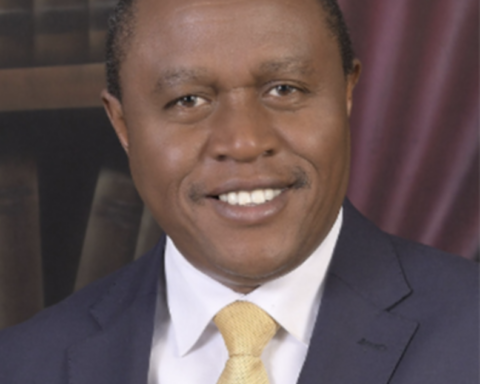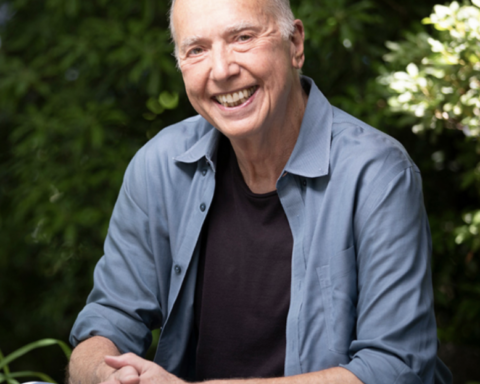
We sat down with Andrei Gomez-Suarez and Theresa Breitmaier to discuss the power of narratives to shape peace.
In the midst of a conflict, it seems ambitious to bring conflicting parties to the table. To use words instead of weapons.
Yet, this is what peacebuilders, mediators and negotiators around the world advocate for.
We sat down with Andrei Gomez-Suarez, General Director of Rodeemos el Diálogo and expert in the Colombian peace process on transitional justice and accountability for human rights violations, and Theresa Breitmaier, Senior Project Manager Afghanistan and Central/South Asia Unit for Berghof Foundation, to understand how narratives shape peacebuilding.


Because, after all, it all starts with words.
Here are the Andrei Gomez-Suarez’ most important takeaways from the 2012-2016 Colombian peace process with the Revolutionary Armed Forces of Colombia (FARC).
“Linguistic Ceasefire”:
Before a ceasefire can happen on the ground, it must begin with the words we use.
The peace-oriented Colombian government deliberately stopped using the term “war on terror” when referring to the conflict with FARC rebels, recognizing that such language trapped them in a fixed “terrorist” identity, which hindered any prospect for peace.
Instead, they chose to frame the FARC as political actors. This shift acknowledged their political motivations and created space for negotiations.
The term “linguistic ceasefire” was developed by Sophie Haspeslagh, a lecturer in international relations and practitioner in conflict resolution.
Define clear rules of engagement:
Nothing is agreed, until everything is agreed.
The Colombian government and the FARC agreed that a final deal would only be signed once they had reached some level of agreement on all six key issues that were on the negotiation agenda.
This kept the negotiations going with the support of the international community for about 4 years, eventually leading to a signed peace deal.
Engage the civil society and stakeholders from the ground.
In an age of very powerful digital misinformation campaigns, it is not enough to rely on digital or traditional communication channels, you need to connect with people directly and involve a range of voices on the ground.
This is a lesson that the Colombian government learned the hard way: they held a referendum in 2016 after the peace deal was signed, to ask the people whether it should be implemented. The people rejected it, which created a cleavage that is a driver of conflict till now.
Listen to the full interview here:
A bit of context:
The FARC is a guerilla group founded in Colombia in 1966.
They were one actor in the Colombian conflict, a long-running internal armed struggle that began officially in 1964 and resulted in the deaths of over 200,000 people, primarily civilians and displaced at least 5.7 million people, one of the world’s largest displaced populations.
In 2016, a peace agreement was signed between the government and FARC, formally ending their conflict. A revised version was ratified by Colombia’s Congress in December 2016 after an initial referendum failed in October 2016. The FARC demobilized and became a political party. Yet, new dissident groups, other guerrillas, paramilitaries, and criminal gangs have continued violence in some regions