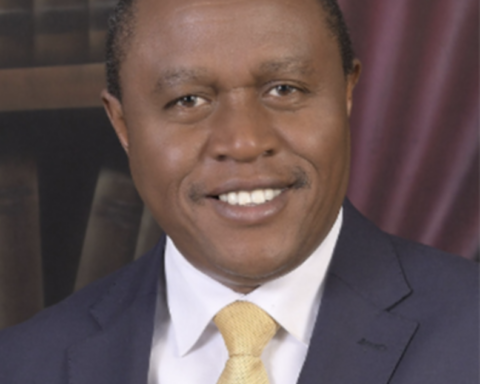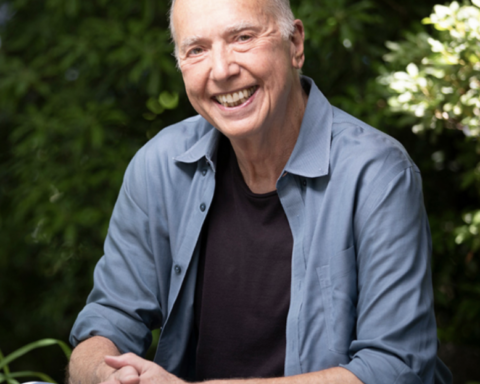
In this second episode with Andrei Gomez-Suarez and Theresa Breitmaier, we discuss the challenges of reconciliation, and the power of everyday actions.
What happens after a peace deal has been signed?
“The shift from a war-mindset, in which it is about survival and framing the other as the enemy, to a peace-mindset doesn’t happen for everyone at the same time,” explains Theresa Breitmaier, Senior Project Manager Afghanistan and Central/South Asia Unit for Berghof Foundation.


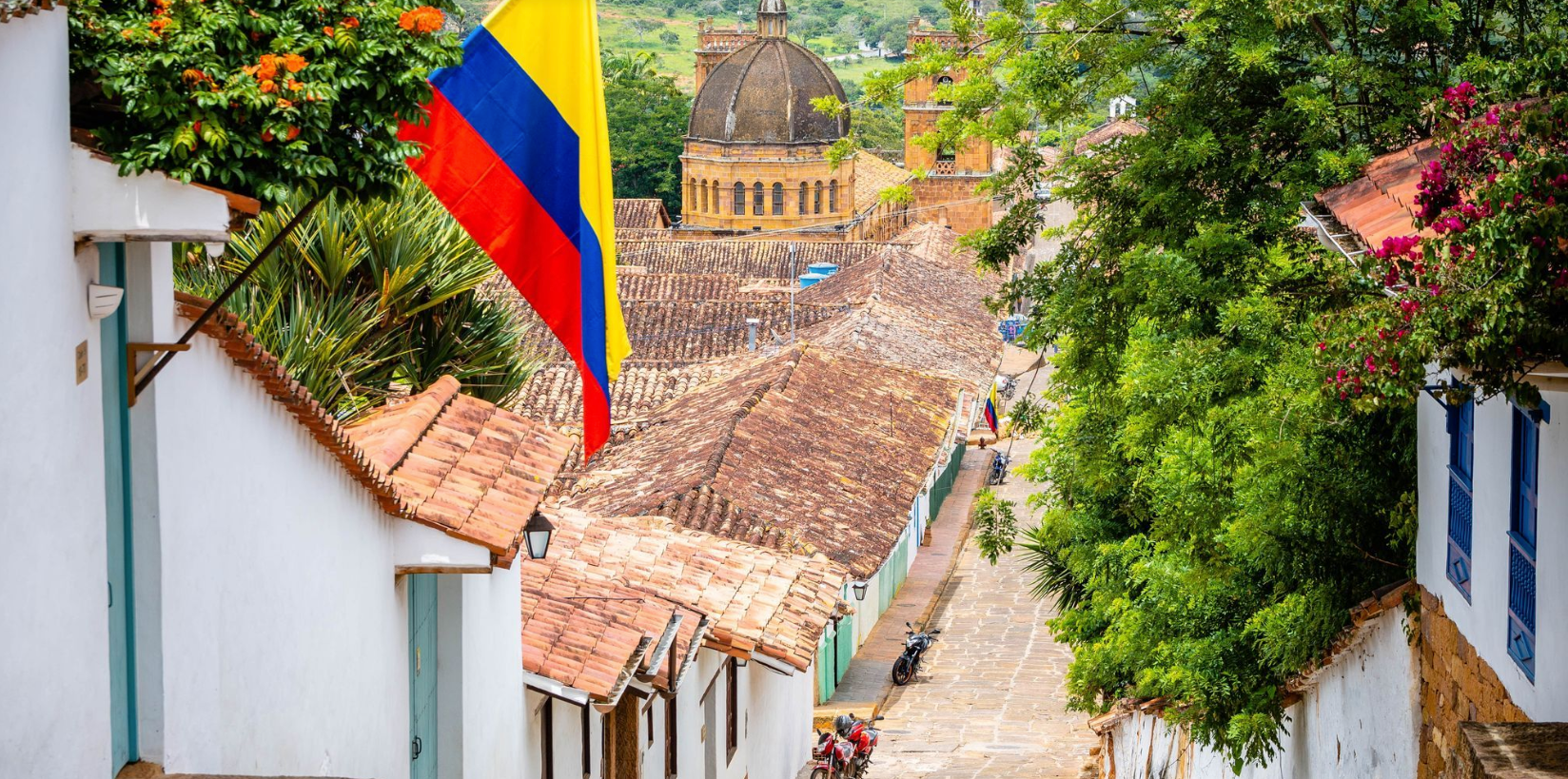
Because “reconciliation is a process full of tensions,” explains Andrei Gomez-Suarez,General Director of Rodeemos el Diálogo and expert in the Colombian peace process on transitional justice and accountability for human rights violations. “In this sort of gray zone between trying to consolidate negative peace and moving to structural transformations that could create a horizon of positive peace, what you have are tremendous tensions.”
And this is where on the ground initiatives, organized by peacebuilders in the ground, can lead the way.
“Sometimes the most beautiful moments of transformation […], happens behind the scenes, without cameras, […]in a really silent and beautiful way,” says Gomez-Suarez.
The small actors start to build a social fabric that is even more resilient than government institutions “that are created at the top level, but once they disappear, the whole process disintegrates,” he continues.
Listen to the second part of the conversation between Andrei Gomez-Suarez and Theresa Breitmaier.
In this episode, they talk about the challenges of reconciliation, and the power of everyday actions.
In case you missed it, you can find the first episode here.