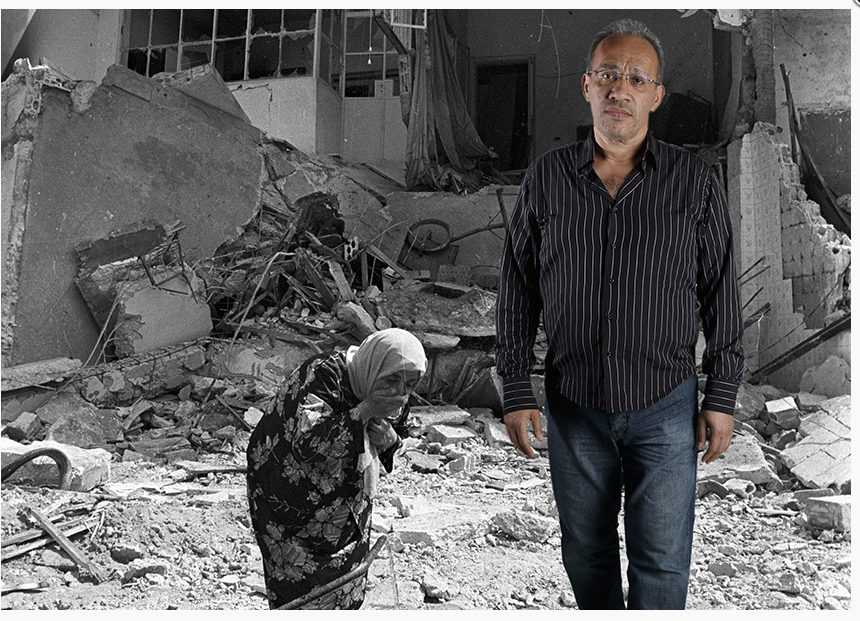
Interview with Gaby Jammal, a Fighters for Peace member who teaches young people about the realities of war.
At just 13 years old, Gaby Jammal (now 63) was handed his own Kalashnikov to fight in the Lebanese Civil War. Today, the former combatant is a member of the Fighters for Peace initiative, where he works to educate young people about the realities of war. We spoke with him about the need to challenge common misconceptions, the role of personal narratives, and the complexities of navigating ideologies and motivations behind joining and leaving violent conflicts.
The What If: Why do you believe your firsthand perspective as an ex-fighter is crucial to educating young people about the realities of war?
Gaby Jammal: Because we’re not just lecturers talking about war; we lived it. When we engage with young individuals, we aim to shatter their misconceptions about conflict. Many youngsters initially view war as a game, akin to playing on a PlayStation. We need to show them the stark reality – it’s not a game where you win and walk away. By recounting our stories, we hope to guide them towards a better future than the one we experienced in our youth.
The What If: How do you connect with them to convey these messages effectively?
Gaby Jammal: Our approach is rooted in a mission to impart our narratives authentically. We understand the weight of history and the complexities of our region. Lebanon is often described as a democratic yet chaotic country, where freedom of expression is valued despite occasional limitations; this environment allows for more open discourse compared to many other nations in our region.
Through workshops, seminars, and direct interactions, we strive to listen first and then speak. By sharing our past, we aim to build a present that can pave the way for a brighter future. It’s about acknowledging history, not changing it but learning from it to forge a path forward together.
The What If: Does this authenticity contribute to the impact of your message?
Gaby Jammal: Definitely,it’s our “realness” that resonates with people because they see us as individuals who have walked similar paths as them. By sharing unfiltered accounts of our journeys – the struggles, transformations, and hopes for peace- we establish a genuine connection that transcends mere storytelling or academic discourse.
The What If: How do you navigate your discussions around ideologies and motives for joining or leaving conflicts?
Gaby Jammal: Ideologies run deep in regions like ours, shaping perspectives and actions over time. It’s crucial to unravel these layers by sharing authentic narratives of personal motives for entering and exiting conflicts. There’s a common thread of unresolved past traumas leading to ignorance, fear, and ultimately, hatred and evil. Acknowledging these shared struggles serves as a foundation for addressing deep-rooted issues and fostering empathy and understanding. By engaging in open dialogue and addressing questions sincerely, we aim to dismantle misconceptions and foster critical thinking among those affected.