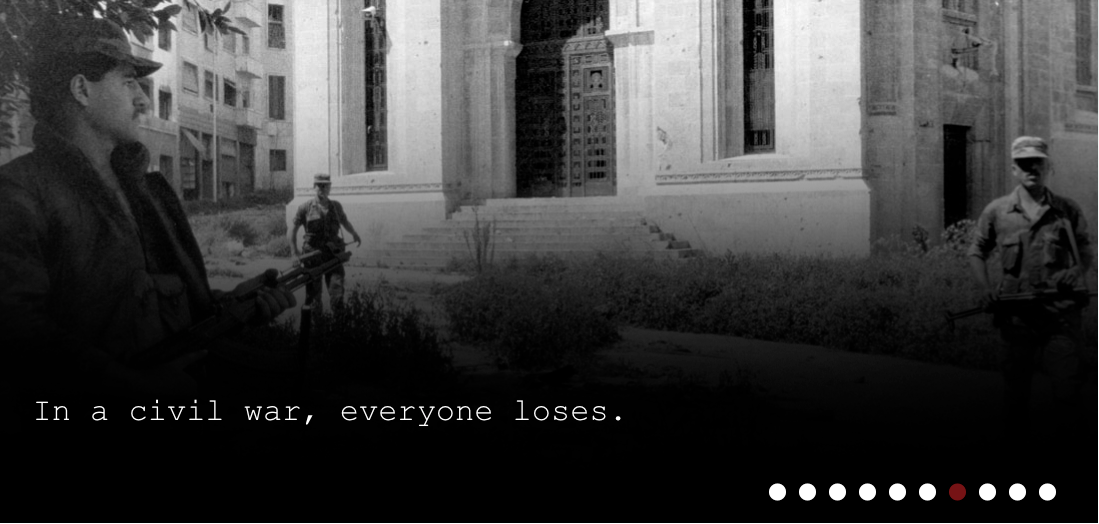
Fighters for Peace is a Lebanese NGO that harnesses the power of personal stories from former civil war fighters to advocate for peace.
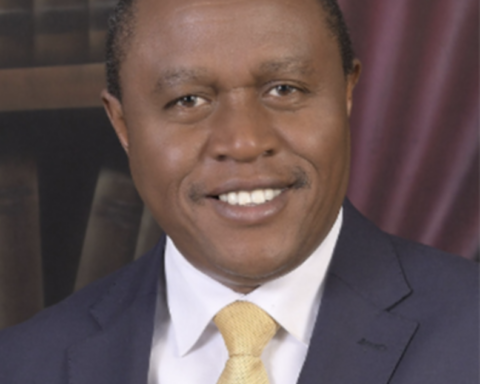
Assaad Chaftari was born in 1955 in Lebanon. During the civil war (1975-1990), he served as a senior intelligence officer in Lebanese Forces, a Christian militia.
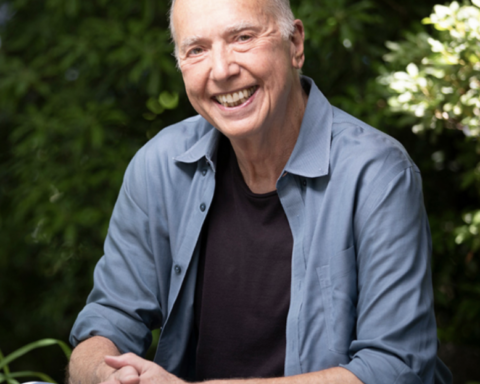
Gaby Jammal, 63, was born from a Palestinian Christian father and a Lebanese Maronite mother. He joined a Palestinian militia in 1974, the year before the war broke out.
Both found themselves on opposing sides during the Lebanese Civil War.
Today, both are members of Fighters For Peace (FFP), a Lebanese NGO established in 2014 by former combatants from the Lebanese Civil War to promote peace, advancing non-violence, reconciliation, and sustainable civil peace by involving ex-fighters, youth, and civil society activists.
More than 60 ex-fighters facilitate dialogue sessions, offer psychosocial support, deliver peace-building training, and exchange war experiences to promote community cohesion.
The organization’s mission statement embodies its commitment: “We cannot undo the past, but we can change the future.”
“Change must originate from within us”
At the heart of FFP’s work is the belief that personal testimonies can serve as a powerful counter narrative to the glorification of armed conflict. By sharing their stories of violence, suffering, and ultimately, their transformation, FFP members aim to inspire others to reject the path of violence and embrace nonviolent approaches to resolving disputes.
And it all starts with personal change.
“Instead of waiting for external changes, what if we took the first step and initiated change within ourselves?” explains Chaftari. “This introspective journey entails recognizing our shortcomings, contemplating past errors, and perpetually aiming for self-betterment.” He adds: “A fundamental tenet guiding this metamorphosis is the conviction that change must originate from within us before we can expect others to start.”
Then these stories of change need to be shared with the youth, as they have the credibility with their audiences to offer insights that go beyond academic or workshop-based knowledge.
“We have to highlight a common misconception among some youth: the reality of war is far from a game,”
explains Jammal, who got his first Kalashnikov aged 13, when showing a natural talent for handling a rifle. Back then he called it his “first girlfriend.”
And there is a lot of work to do.
In a two-day FFP training in November 2017 with young fighters from Jabal Mohsen and Bab al-Tabbaneh in Tripoli, Northern Lebanon, one of the younger participants asked the FFP members: “It took you 10 years to realize that you made a mistake after you’ve been through war. Why do you want to tell us to stop fighting? Why don’t you let us go through our own experiences and see for ourselves?”
As reported in a UNDP’s projects newsletter, the Fighters for Peace responded: “We will not let the generations that come after us go through the same struggles, and we will give everything we have to stand against the risk of relapse into war in this country.”
It was the first time that these young fighters from both sides sat side by side, told their stories openly and discussed their experiences.
Chaftari and Jammal both emphasize the transformative potential of personal change.
“If someone like myself, who once may have been considered among the worst individuals, can undergo a profound transformation, then it signifies that anyone has the capacity for change,”
states Chaftari, who admits that he “played God during the war.”
Reinsertion for combatants
By providing a platform for former combatants to share their stories and find purpose in promoting peace, the organization has as well facilitated the personal transformation of its members, who have reported a renewed sense of purpose, a deeper understanding of the human cost of war, and a steadfast commitment to using their experiences to create a more just and peaceful world.
And they use that knowledge to advocate for policies and programs that support the disarmament, demobilization, and reintegration of former combatants. FFP members work to influence policymakers and shape more effective reintegration strategies that address the unique challenges faced by those transitioning from a life of armed conflict.
The time is right to think about an offspring
What if the The FFP experience could become a global model for engaging ex-combatants?
“We recognize that many communities around the world share similar struggles and traumas,” says 25-year-old Nour Nasr, who has been engaged with FFPs since 2020. “Take, for example, Rwanda’s journey towards reconciliation that offers valuable lessons for Lebanon. Despite facing different challenges, both countries have demonstrated the importance of dialogue and community involvement in healing wounds. By learning from such examples, we can adapt strategies that promote peace and understanding in Lebanon.” And vice versa.
However, it is, as so often, the financial obstacles and the need for a clear strategy that make it difficult for initiatives such as the FFP to take the next steps. Yes, expanding to and being adapted within other conflict settings might allow for the dissemination of successful peacebuilding strategies across borders, potentially influencing peace efforts in different regions. But “peace marketing“ – meaning market the idea in a way to influence social behaviors, to change attitudes, habits, in the benefit of the society in general – requires funding.
On the other hand, with escalating and worsening conflicts around the world, the time is – unfortunately – right to think about an international FFP offspring. “In today’s world, we can’t limit ourselves to building peace within our own context,” says Christina Foerch, co-founder of Fighters for Peace. “I’m not saying that we should not continue to work on a grassroots level in our very own context – but: so many things are interlinked, and so many small issues have become also connected to global issues.”
But there are almost no spaces for dialogue, she continues. “Maybe one day in Europe they will need us, the Fighters For Peace. I never thought that this was possible, but actually, yes, right now I feel it is.”